

Effective anti-aging treatment in Zurich - hyaluronic acid
Anti-aging in Switzerland: Long-term results with Dr. Kish in Zurich
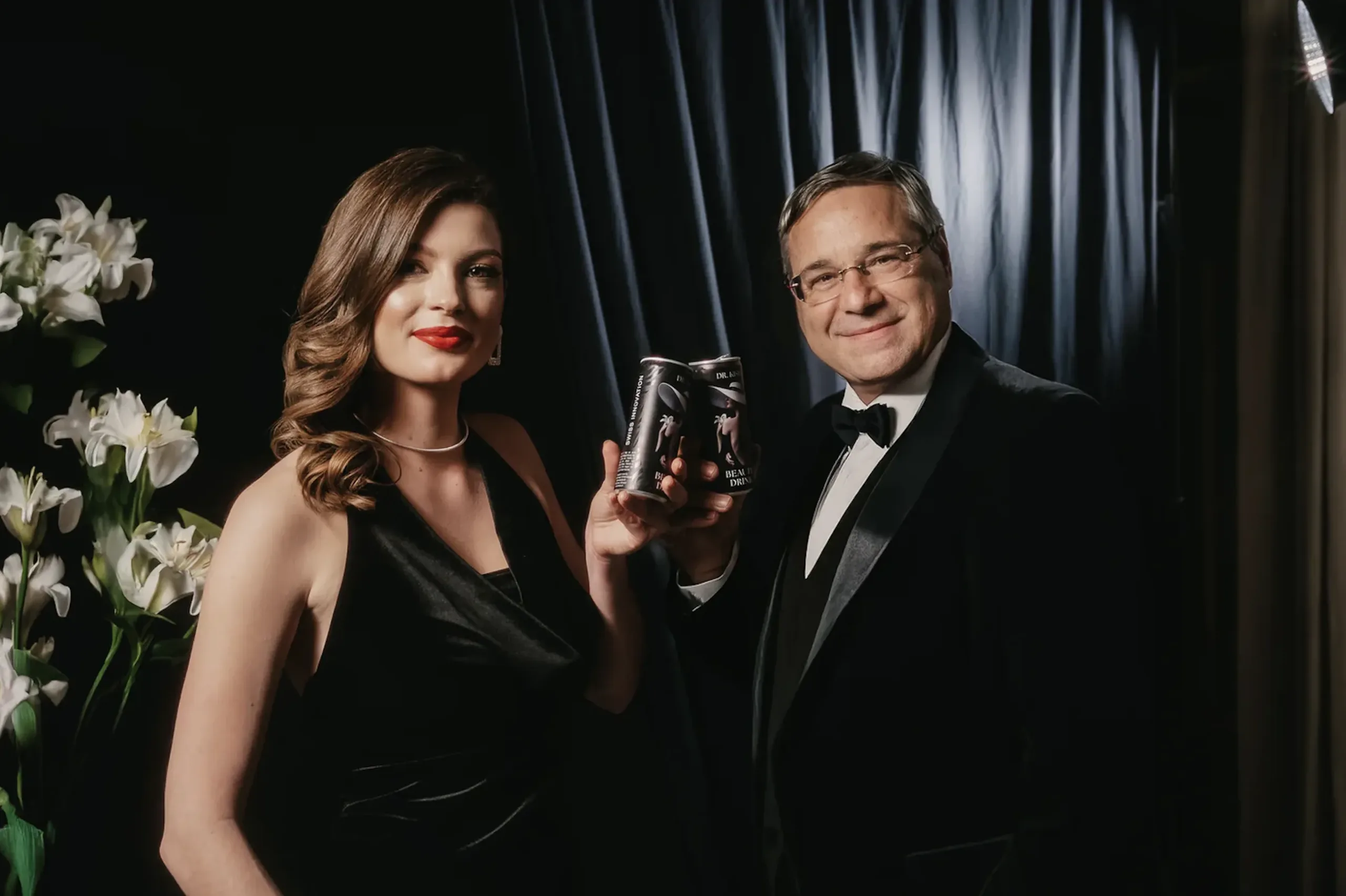
Anti-aging today means not just wrinkle reduction, but an evidence-based program of prevention, targeted medical treatment and personalized long-term care. This guiding principle explains how topicals, minimally invasive procedures and lifestyle measures work together to slow down cell damage, stimulate collagen-promoting processes and improve visible signs of ageing in the long term. Many people are looking for safe, sustainable ways to treat wrinkles, volume loss and skin texture; a long-term approach combines localized interventions with daily protection and repair strategies. In this article, you will learn the main causes of skin aging, the most effective medical methods in Switzerland, in-depth comparisons of active ingredients, the integration of a supplemental drink called Dr. Kish's Age-Reversing Drink, and specific intervals and lifestyle measures. The following sections explain scientific mechanisms, provide practical routines and list typical treatment procedures - with a local orientation for Zurich and a factual view of clinical safety. Key terms such as retinol, hyaluron, peptides, SPF and non-surgical treatments are consistently explained so that you can plan a personalized anti-aging strategy.
What does anti-ageing mean today? Evidence, prevention, personalization
Anti-ageing today is an evidence-based approach that reduces damage at the cellular level, supports regenerative mechanisms and measurably improves aesthetic results. Mechanistically, modern anti-ageing medicine targets three levels: Protection from external damage (primarily UV-induced), promotion of collagen synthesis and targeted modulation of skin structure through topicals and procedures. The result is fewer wrinkles, improved texture and stabilized skin density, with prevention (especially consistent UV protection) providing the greatest long-term effect. Personalization occurs through skin type analysis, age, medical history and aesthetic goals; these factors determine combinations of retinoids, antioxidants, injections and energy devices. The following subsections explain the key influencing factors and why a long-term strategy outperforms short-term effects.
The main factors influencing skin ageing
Skin ageing is caused by intrinsic factors such as genetics and hormonal changes as well as extrinsic influences such as UV exposure, smoking and environmental pollution. At the cellular level, oxidative stress events lead to protein and DNA damage, while fibroblasts synthesize less collagen and elastin, resulting in volume loss and sagging. Photoaging by UV radiation accelerates matrix metalloproteinases that break down collagen, making wrinkles deeper and pigmentation disorders more visible. These mechanisms explain why prevention (SPF, antioxidants) plus interventions that stimulate collagen formation together deliver significantly better long-term results. A clear understanding of these drivers guides the selection of topicals, minimally invasive interventions and lifestyle measures.
Long-term strategy instead of short-term effects
A long-term anti-ageing strategy differs from one-off "instant solutions" in that it involves graduated phases: acute hydration and smoothing, medium-term collagen stimulation and long-term maintenance. Topical hydrators show immediate improvements to the skin surface within days, while retinoid therapies and collagen stimulators take 3-12 months to manifest structural changes. Regular monitoring appointments and adjusted intervals prevent overtreatment and improve safety by documenting responses and adjusting plans. Realistic expectations reduce risk sensitivity; those seeking lasting improvement rely on maintenance routines combined with targeted follow-up treatments. The next step is how medical expertise can safely implement this strategy.
Dr. Kish in Zurich: Medical authority for natural, sustainable results
Dr. Kish in Zurich is cited here as an example of a medical authority who strives for natural, long-term results through evidence-based procedures and individualized care. A clinical approach begins with a thorough medical history, skin analysis and goal definition to minimize risks and plan for realistic outcomes. Safety is paramount: informed consent, standardized hygiene measures and medical aftercare are core components of any treatment planning. Patients benefit from an interdisciplinary view that combines aesthetics with skin health and prioritizes subtle results. The following section shows which specific procedures and examinations are typically part of such practice standards.
Expertise, safety and natural aesthetics
Medical authorities focus on expertise, standardized safety protocols and a philosophy that values natural results over "over-corrected" looks. Specialist assessment includes risk factors, contraindications and a selection of evidence-based methods that are individually combined to achieve harmonization rather than clumsy alteration. Safety also means documented follow-up and clear guidance on side effects and expected recovery times. These principles ensure that treatments are not only effective but also sustainable in the long term. Clinical priorities lead directly to the structure of personalized treatment plans and follow-ups.
Individual plans: assessment, target definition, follow-ups
An individual treatment program begins with a structured assessment: medical history, skin type analysis, photo documentation and discussion of aesthetic priorities. This is followed by a joint goal definition with short, medium and long-term milestones that determine treatment selection and timing. Typical follow-up structure includes an early follow-up consultation (1-2 weeks), an interim evaluation (3 months) and annual maintenance checks for adjustment. This systematic approach reduces complications, increases treatment adherence and enables fine-tuned outcomes. A well-planned follow-up routine forms the basis for sustainable skin health.
Effective anti-ageing methods in Switzerland
Effective methods combine minimally invasive injections, regenerative therapies, energy-assisted devices and medical skin care, each with different effects, downtimes and maintenance requirements. Selection criteria are indication, desired result and safety profile; suitable combination strategies achieve better effects than individual therapies. Routine standards are established in the Swiss environment, but individual planning and qualified implementation remain crucial for natural results. The following are compact profiles of common methods with mechanism, main benefits and typical expected values.
In addition to injections and devices, standard clinical practice includes consistent integration of medical skin care and education on lifestyle measures.
- Botox, hyaluron, laser: core components for wrinkle reduction, volume build-up and skin quality.
- Regenerative options: PRP and microneedling stimulate collagen and improve texture.
- Topical therapies: Retinol, vitamin C and SPF are the basis for prevention and maintenance.
These combinations lead directly to the detailed consideration of individual methods in the following subsections.
Botox for dynamic wrinkles
Botox is a neuromodulating agent that reduces muscle contraction by temporarily inhibiting neuromuscular signal transmission, thereby smoothing dynamic wrinkles. The typical onset of action is 3-7 days, with maximum effect after about two weeks and a duration of action of about 3-6 months. Areas of application are forehead, frown lines and crow's feet; side effects are usually temporary redness or local swelling, rarely asymmetrical effects. Suitable candidates are selected by medical indication testing, and regular follow-up treatments maintain the result. The next logical method for volume and hydration is hyaluronic-based options.
Hyaluronic filler and skin booster for volume, contour and glow
Hyaluronic volume fillers replace lost tissue volume with injectable hyaluronic acid, while skin boosters utilize finely cross-linked hyaluronic formulations for deeper hydration and improved skin quality. Volume fillers work immediately, lasting 6-24 months depending on the product and region; skin boosters deliver subtle, longer-term hydration effects over repeated sessions. Short-term side effects include swelling and bruising; rare complications require medical intervention. Price-conscious patients compare "hyaluronic acid price" and consult with product selection. These procedures complement collagen-stimulating therapies such as PRP and microneedling.
Intro to the table: The following comparison summarizes the mechanism, downtime, interval and main benefit of the most common methods in order to structure the selection clinically.
PRP and microneedling for collagen build-up and texture
Microneedling provokes controlled micro-injuries that stimulate endogenous collagen production, while PRP (platelet-rich plasma) delivers growth factors that accelerate healing and remodeling. Combined courses typically involve 3-6 sessions 4-8 weeks apart, with visible texture improvements from 8-12 weeks. Side effects include transient erythema, scaling and rarely infection; patients with blood clotting disorders require special clarification. This regenerative strategy is well suited for refined pores, fine lines and light scars, and complements volume treatments. Clinical decision follows individual skin density and goals.
Scientific evidence supports microneedling as a safe and effective method for improving skin quality and treating scars and photodamaged skin.
Microneedling for Photoaged Skin: Scientific Evidence and Review
There is a steadily increasing demand for safe, less aggressive, and cost-effective treatment modalities to improve skin quality and appearance following scarring or photoaging. A treatment modality that preserves the epidermis while promoting regeneration rather than cicatrization would be ideal. Percutaneous collagen induction (PCI) therapy, or microneedling, is claimed to approach this ideal objective. This comprehensive literature review aims to analyze the scientific basis supporting this therapeutic modality and to evaluate the efficacy of PCI microneedling therapy versus no treatment in patients with photoaged skin and scars of various aetiologies, focusing on aesthetic skin rejuvenation, skin tightening, and scar quality, as assessed in prospective, retrospective, and experimental studies.
Microneedling: percutaneous collagen induction (PCI) therapy for management of scars and photoaged skin-scientific evidence and review of the literature, 2021
Laser and radio frequency for tightening and skin quality
Energy-assisted procedures such as ablative and non-ablative lasers and radiofrequency (RF) work by applying targeted heat to the dermis and subcutis, which triggers collagen remodeling and tightening. Ablative lasers offer stronger effects with longer recovery time, non-ablative variants deliver more moderate results with shorter downtime. Indications include texture, pigmentation and laxity; safety profile and device type determine recovery time and depth of results. Patients should be made aware of skin type-specific risks (e.g. post-inflammatory pigmentation). Following care instructions and SPF are crucial for optimal healing.
Medical Skincare: Retinol, peptides, hyaluronic acid, antioxidants, SPF
Medical skincare combines retinol for cell turnover stimulation, peptides for collagen induction, hyaluronic acid for hydration and antioxidants/vitamin C for protection against oxidative stress; daily SPF prevents further photoaging damage. Interactions are important: retinoids increase skin renewal, vitamin C supports collagen stability and peptides stimulate repair pathways, while hyaluronic acid strengthens the barrier. Topicals are essential before and after procedures - timing and concentrations are adjusted depending on the treatment. These basics lead to a detailed comparison of the key active ingredients in the next section.
The therapeutic efficacy of topical retinoids in the treatment of photodamaged skin is well documented and is based on their multi-layered mechanisms to improve skin texture and appearance.
Topical Retinoids: Therapeutic Mechanisms in the Treatment of Photoaged Skin
Retinoids are a group of substances comprising vitamin A and its natural and synthetic derivatives. Retinoids were first used in dermatology in 1943 by Straumfjord for acne vulgaris. Since that time, retinoids have been utilized in the management and treatment of various skin conditions, including photoaging. Photodamage of the skin occurs as a consequence of cumulative exposure to solar ultraviolet radiation (UVR) and is characterized by deep wrinkles, easy bruising, inelasticity, mottled pigmentation, roughness, and telangiectasias. The mechanism of UVR-induced photodamage is multifactorial. Retinoids have demonstrated efficacy in the treatment of photoaged skin. Indeed, understanding the pathophysiology of photoaging and the molecular mechanism of retinoids can not only provide insight into the effects retinoids can exert in treating photoaging but also provide the rationale for their use in the treatment of other dermatological diseases.
Topical retinoids: therapeutic mechanisms in the treatment of photodamaged skin, 2016
Intro to the table: The following table compares key active ingredients according to mechanism of action, clinical benefit and suitability for different skin types.
From the inside out: Dr. Kish's Age-Reversing Drink

Dr. Kish's Age-Reversing Drink is described here as a supplemental internal intervention designed to provide antioxidant support and nutrients for collagen synthesis. Such ingestible interventions aim to reduce systemic oxidative stress and provide essential building blocks such as vitamin C, amino acids and specific cofactors that support collagen production. In a medical context, oral adjuncts are effective as an adjunct to topical therapies when their composition, bioavailability and interaction profiles are known. Clinical evaluation looks at quality, third party testing and bioavailability evidence before making a recommendation. In the next section, the mode of action, application and quality criteria are explained in more detail.
Active principle: Antioxidant protection and collagen support
The active principle is based on two axes: antioxidant neutralization of free radicals and provision of substrates for collagen synthesis, such as vitamin C and certain amino acids. Antioxidants reduce DNA and protein oxidation, while collagen-forming nutrients support enzyme reactions that are necessary for stable collagen formation. This combinatorial approach can address systemic factors that topical treatments alone cannot. The reality is important: oral products support but do not replace targeted invasive measures for pronounced volume loss. Next comes practical integration into treatment plans.
Application and integration into the treatment plan
Practical integration takes place in coordination with clinical interventions: a stable intake schedule, usually daily, supplements topicals and treatments to optimize healing and remodeling. Ingredients and possible interactions should be checked before invasive procedures; medical clarification is recommended in cases of uncertainty. Monitoring focuses on objective improvements such as skin thickness, elasticity and subjective well-being over 8-12 weeks. A coordinated strategy maximizes synergies between internal and external therapy. The next consideration concerns quality and regulatory aspects.
Quality and benefits in a medical context
When evaluating ingestibles, transparency of ingredients, laboratory certificates, proof of bioavailability and available clinical data are important; third-party testing is a quality marker. Clinicians recommend products that clearly state active ingredient quantities and do not contain unnecessary fillers, as well as studies on relevant endpoint improvement. Regulatory frameworks vary, so medical review is important for patients before recommendations are made. Only products with a verifiable quality and safety profile are suitable for therapeutic integration.
Long-term planning: intervals, care and lifestyle
Long-term results require planned intervals, consistent care and targeted lifestyle changes that create synergies between medical interventions and everyday behavior. Maintenance plans minimize recurrences of visible signs of aging and keep structural improvements stable. Coordinated aftercare intervals, daily routines with SPF and antioxidants as well as nutrition and sleep strategies that support cellular repair processes are important. The following subsections provide specific interval recommendations and advice on lifestyle factors that have measurable effects.
Recommended intervals per method
The following intervals provide guidance for realistic maintenance windows and safety checks; individual adjustments are made according to clinical response and risk profile. Regular checks help to avoid over- or under-treatment and optimize timing. The table below summarizes typical recommendations, typical maintenance behavior and important safety notes.
Intro to the list section: The following lifestyle factors support cellular regeneration and increase the durability of medical results.
- UV protection: Daily broadband SPF, protective clothing and avoidance of intense midday sun.
- Sleep: Regular, adequate sleep promotes skin repair through hormone balancing.
- Nutrition: Antioxidant-rich foods, protein intake and sufficient hydration support collagen formation.
- Stress management: Meditation and stress reduction reduce inflammatory markers that accelerate ageing.
Lifestyle factors: UV protection, sleep, nutrition, stress
UV protection remains the most effective preventive measure against photoaging: daily SPF and physical barriers prevent collagen damage and pigmentation disorders. Sleep optimization promotes growth hormone-dependent repair processes, while a diet rich in protein and vitamins (especially vitamin C, zinc, amino acids) provides direct substrates for collagen synthesis. Chronic stress increases cortisol, which has catabolic effects on skin structures; stress reduction techniques thus support structural maintenance. Hydration and moderate alcohol consumption complement this strategy. The combination of protection, nourishment and regeneration forms the basis of lasting improvements.
FAQ Anti-Aging in Zurich: Frequently asked questions answered clearly
What is the best first step for anti-ageing?The best first step is a medical skin analysis combined with photo documentation so that treatment goals can be realistically set and priorities defined. An initial assessment clarifies skin type, risk factors and possible contraindications as well as suitable topicals and minimally invasive options. On this basis, a graduated plan can be drawn up that combines immediate measures with long-term collagen stimulation. Regular follow-ups ensure adjustments and safety.
Do anti-ageing creams really work?Medical anti-ageing formulations with proven active ingredients such as retinol, vitamin C, peptides and hyaluronic acid deliver demonstrable improvements in fine lines, pigmentation and hydration, especially when dosed correctly and used over the long term. SPF remains the most important factor in preventing further damage. When combined with in-clinic therapies, topicals enhance results and shorten recovery times. Consistency and product quality determine the benefits.
What is the best treatment for fine lines around the eyes?For periorbital fine lines, low-dose retinoids, targeted peptide formulations, cosmetic botulinum toxin adjustments and possibly microinvasive lasers or skin boosters are effective; the choice depends on skin sensitivity and the desired result. Gentle approaches avoid pigmentation disorders and preserve natural facial expressions. A graduated combination minimizes side effects and achieves lasting smoothing. Consultation and patch tests help with individualization.
Are oral supplements useful?Oral supplements can be useful as a supplement, especially in cases of documented nutrient deficiencies or to support regenerative processes; their effectiveness depends on composition, bioavailability and clinical evidence. However, supplements do not replace local medical interventions for structural volume loss. Quality criteria such as transparency of ingredients and third party testing are crucial for clinical recommendations. Physician consultation increases safety and efficacy.
Consultation and appointment in Zurich: The next step towards natural results
An initial consultation focuses on assessment, goal clarification and structured treatment planning, taking safety and expectation management into account. Typical elements include a medical history, skin analysis, photo documentation and a discussion of possible combination strategies with a schedule and intervals. Patients receive information on risks, aftercare and realistic durations of effect; this information facilitates an informed decision on the best individual strategy. For local guidance, Dr. Kish in Zurich can be cited as an example of a practice that follows such processes and prioritizes evidence-based, natural outcomes. If you want a personalized roadmap, structured assessment is the logical next step.